
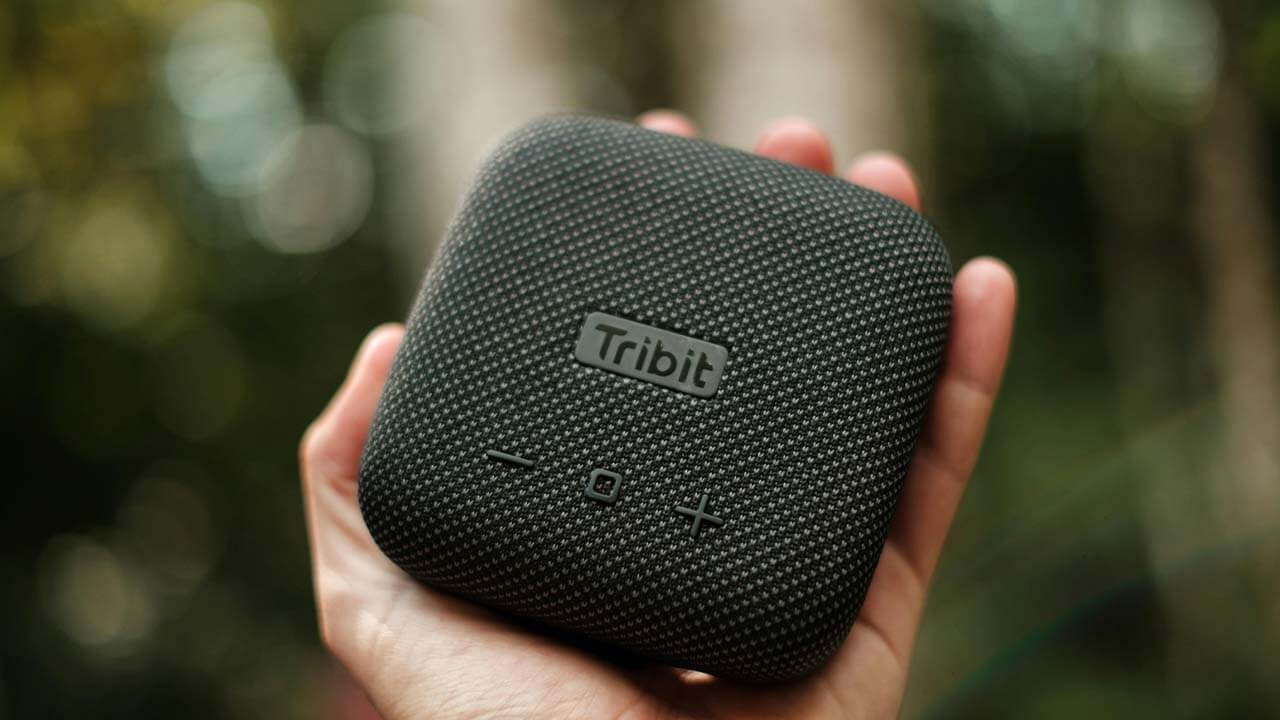
A bluetooth speaker for small room should produce clean, balanced sound without filling the space with unnecessary volume or heavy bass. Small rooms behave differently than large ones when it comes to acoustics. Sound reflects faster, bass builds up quickly, and loud speakers can distort more easily. Choosing the right speaker is less about power and more about fit, clarity, and control.
Read more: Best Bluetooth Speakers for Motorcycle
Bluetooth Speaker for Small Room
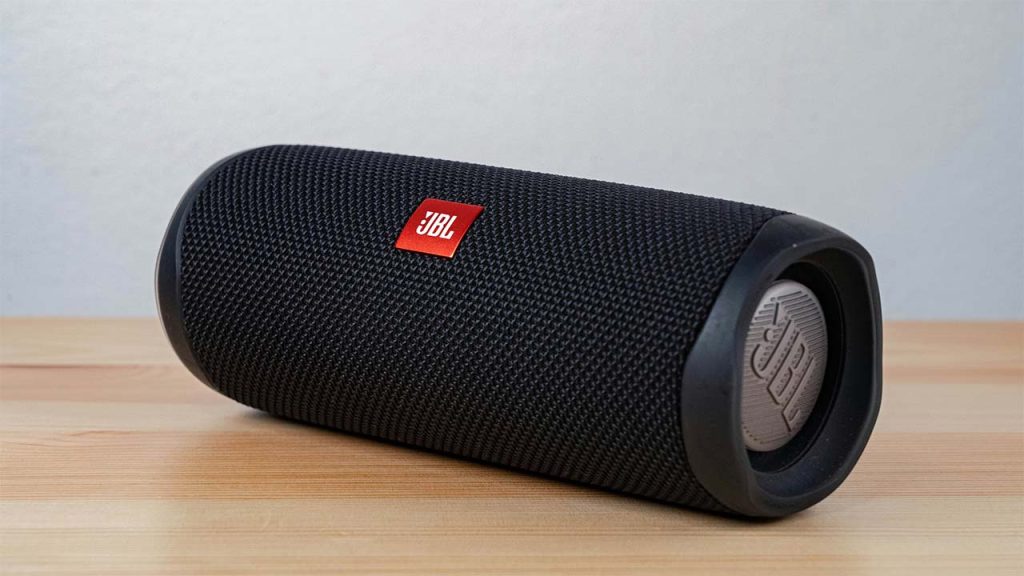
A bluetooth speaker for small room works best when the space is limited, listening distance is short, and sound clarity matters more than volume. In bedrooms, study rooms, small living areas, and studio apartments, compact speakers deliver balanced audio without causing echo or bass overload. These environments benefit from controlled wattage, wide sound dispersion, and neutral tuning, allowing music, podcasts, and videos to sound clear and comfortable even at lower volume levels.
Understanding Small Room Acoustics
Small rooms amplify sound reflections because walls, ceilings, and furniture are closer to the speaker. This creates quicker echo and stronger low-frequency buildup. As a result, speakers designed for large spaces often sound muddy or uncomfortable in compact rooms.
Key acoustic traits of small rooms include:
- Faster sound reflection cycles
- Stronger bass resonance
- Shorter listening distance
- Limited sound dispersion area
Because of these factors, speaker size, watt output, and tuning play a larger role than brand or price.
Comparison Table: Key Features That Matter in Small Rooms
| Speaker Size | Watt Output | Room Coverage | Battery Life | Ideal Use Case |
|---|---|---|---|---|
| Compact (10–15 cm) | 5–10W | 100–150 sq ft | 8–12 hours | Bedroom, study room |
| Small Portable | 10–20W | 150–250 sq ft | 10–15 hours | Living room corner |
| Medium Portable | 20–30W | 250–350 sq ft | 12–20 hours | Studio apartment |
| Large Speaker | 40W+ | 400+ sq ft | 20+ hours | Not recommended |
This table highlights why higher wattage does not automatically translate to better sound quality in smaller environments.
Why Small Rooms Need Different Speakers
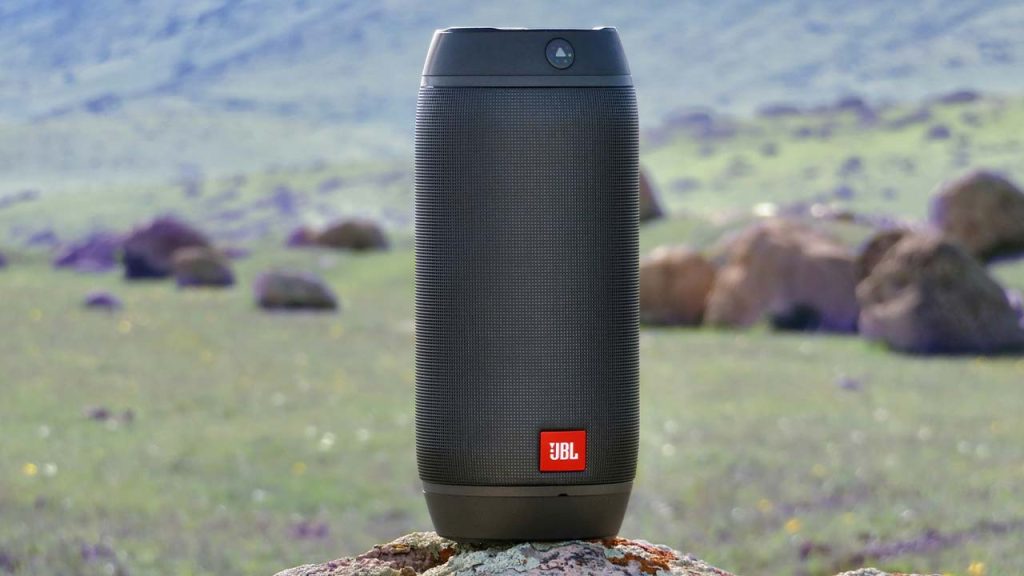
Small rooms place listeners closer to the speaker. This reduces the need for high output and increases the importance of sound balance.
Key reasons small rooms require specific speaker types:
- Excess wattage causes distortion at low volumes
- Bass-heavy speakers overwhelm enclosed spaces
- Sound clarity matters more than loudness
- Listening fatigue increases with overpowered audio
In compact spaces, accuracy beats volume every time.
Ideal Watt Range for Small Rooms
Wattage directly impacts how loud a speaker can get, but loudness is rarely the goal in small rooms.
Recommended ranges:
- 5–10W: Suitable for bedrooms, personal listening, and workspaces
- 10–20W: Ideal balance for living rooms and multipurpose small rooms
- 20–30W: Works only if sound tuning is neutral
- 40W+: Typically excessive and counterproductive
LSI context naturally included: watt output meaning, decibel perception, room size matching.
Best Sound Profile for Compact Spaces
Sound tuning matters more than raw power. In small rooms, certain sound profiles perform better.
Recommended sound characteristics:
- Balanced or neutral frequency response
- Controlled bass with minimal low-end boost
- Clear midrange for vocals and dialogue
- Wide sound dispersion instead of directional output
Avoid speakers marketed primarily for “extra bass” or “party sound” when the room size is limited.
Speaker Size and Placement Considerations
Speaker size influences how sound spreads in a room. Larger speakers move more air, which can be problematic in tight spaces.
Best practices:
- Choose compact or small portable speakers
- Place the speaker at ear level when seated
- Keep distance from corners to avoid bass buildup
- Avoid placing speakers directly against walls
Proper placement alone can significantly improve perceived sound quality.
Charging habits directly affect how a bluetooth speaker performs over time, especially in small rooms where speakers are used daily at close range. If your speaker runs out of power and the original charger is unavailable, knowing How to Charge Bluetooth Speaker without Charger can help you maintain battery health and avoid usage interruptions without damaging the device.
Common Mistakes People Make When Choosing Speakers
Many users select speakers based on specifications without considering room context.
Frequent mistakes include:
- Prioritizing wattage over clarity
- Ignoring room dimensions
- Choosing bass-heavy tuning for enclosed spaces
- Assuming bigger speakers equal better sound
- Overlooking placement and listening distance
Correcting these mistakes often improves audio quality more than upgrading hardware.
Bluetooth Speaker vs Other Audio Options for Small Rooms
Bluetooth speakers are often compared with soundbars and wired systems.
Key differences:
- Bluetooth speakers are portable and flexible
- Soundbars are designed for TV-focused setups
- Wired systems require more space and setup
- Bluetooth speakers suit casual, everyday listening
For most small rooms, a single well-tuned bluetooth speaker is sufficient and practical.
FAQ Section
What watt speaker is best for a small room?
A speaker in the 10–20 watt range is ideal for most small rooms. This range provides sufficient volume without distortion and maintains sound clarity at close distances. Lower watt speakers work well for bedrooms, while higher wattage often becomes unnecessary.
Is a bluetooth speaker enough for bedroom use?
Yes, a bluetooth speaker is more than enough for bedroom use. Bedrooms benefit from moderate volume, clear vocals, and controlled bass. Compact speakers reduce sound fatigue and are easier to position without overwhelming the space.
Does speaker size matter in small rooms?
Speaker size significantly affects sound behavior. Smaller speakers offer tighter control and cleaner output in compact spaces. Larger speakers can cause echo and muddy bass due to limited room for sound dispersion.
Where should I place a speaker in a small room?
Place the speaker at ear level and slightly away from walls. Avoid corners, as they amplify bass frequencies. Central placement improves balance and reduces unwanted reflections, leading to clearer audio.
Are stereo speakers better than mono in small rooms?
Stereo speakers can improve separation, but they are not required. A well-designed mono speaker with wide sound dispersion performs effectively in small rooms when placed correctly.
Learn more from Reddit.
Credible Source
Audio engineering guidance from Sound On Sound explains how room size, speaker wattage, and sound reflections influence perceived audio quality in enclosed spaces. Their acoustics and monitoring guides support the importance of matching speaker output to room dimensions.
Source: Sound On Sound Magazine, acoustics and monitoring principles.
You can read more about:
Final Words
Choosing the right bluetooth speaker for small room is about matching sound output to space, not maximizing power. When wattage, size, tuning, and placement align with room acoustics, a compact speaker can deliver clear, comfortable, and immersive audio without distortion or fatigue. This approach consistently produces better results than chasing louder specifications.
You can learn more from:

Taj is the mind behind Techpicky.com, where curiosity meets practicality. With years in SEO and content strategy, he breaks down tech, tools, and trends the no-fluff way. He questions hype, tests ideas, and sticks to what actually works. If it’s on Techpicky, it’s been picked carefully, not blindly followed.